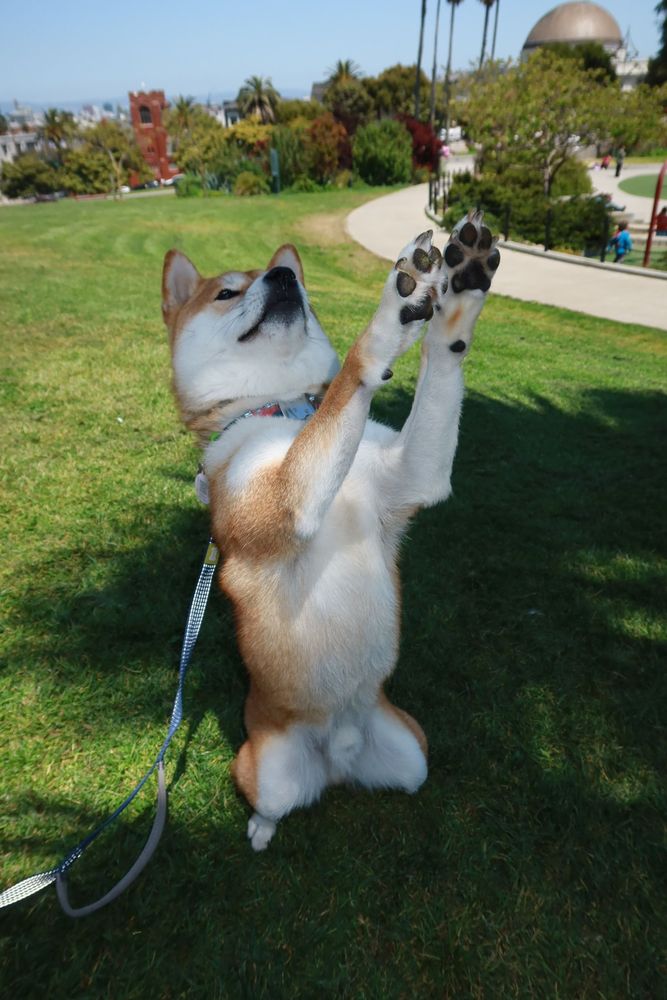
Teach a new command in six mechanical steps—lure, mark, reward, fade the food, build the hand signal, then add the word. Each step needs to be solid before you move to the next one. Skip ahead and you'll be repeating yourself for weeks.
It's probably not the dog. Most owners who struggle to make a new command stick are trying to add the verbal cue too early. If you're saying "sit, sit, sit" and nothing's happening, your dog doesn't know the word yet—they're still learning the movement. The word is the last thing you add, not the first.
Start with a lure: hold a high-value treat right at your dog's nose like a magnet and guide their body into position. The moment they hit the target—butt on the floor, belly down—mark it instantly. Say "yes" or click the exact millisecond the movement completes, then deliver the treat.
For behaviors your dog already knows in calm spaces, kibble or dry biscuits work fine. For something brand new, go high-value—boiled chicken, freeze-dried liver, anything with a strong smell. The treat budget should match the difficulty of the ask. And timing is everything: a half-second delay and you're rewarding whatever the dog did after the position, not the position itself.
Keep pieces pea-sized. Bigger means more chewing time, and chewing time is time spent thinking about food instead of you.
Hand signals come before verbal cues—always. Dogs read your body language long before they process your words, which is why a dog who "knows sit" perfectly in the kitchen will look at you blankly at the park.
Once the lured movement is fluid and your dog follows your food hand 9 out of 10 times, switch to an empty hand making the same motion. Same arc, no treat in it. That's your hand signal. Practice until it's just as reliable as the lure.
Only then do you add the word. Say it once, clearly, right before the gesture—"sit," then the hand motion, then mark and reward. One word, one time. Repeating the cue before the dog knows it teaches them that they can safely ignore the first few repetitions. You're training them to tune you out.
Five to ten minutes, then stop—while your dog still wants more. Ending while they're still eager is like leaving the dinner table a little hungry; the appetite carries into the next session. If your dog starts sniffing the ground or wandering off, you've gone too long.
Once the verbal cue holds up reliably indoors, add distractions one at a time: new location first, then mild activity nearby, then other people. The command doesn't transfer automatically—proof it in each new context before you count on it there.